What is being studied?
A clinical trial is evaluating an investigational therapy for newly diagnosed glioblastoma (GBM). The therapy has not been approved by the U.S. Food and Drug Administration (FDA).


If you or someone you love has been diagnosed with glioblastoma (GBM), a clinical trial is underway under an Institutional Review Board (IRB)–approved protocol to evaluate a potential new treatment approach.
The study is testing an investigational therapy that combines a tumor-accumulating drug, 5-aminolevulinic acid (5-ALA), with low-intensity ultrasound delivered from outside the body. The goal is to activate the drug locally within the tumor while minimizing exposure to the rest of the brain. This approach is non-invasive and is administered while patients are awake in an outpatient setting.
The purpose of the study is to evaluate safety and to understand whether the therapy shows early signs of biological or clinical activity. Participation is limited to individuals who meet eligibility criteria at participating clinical sites.

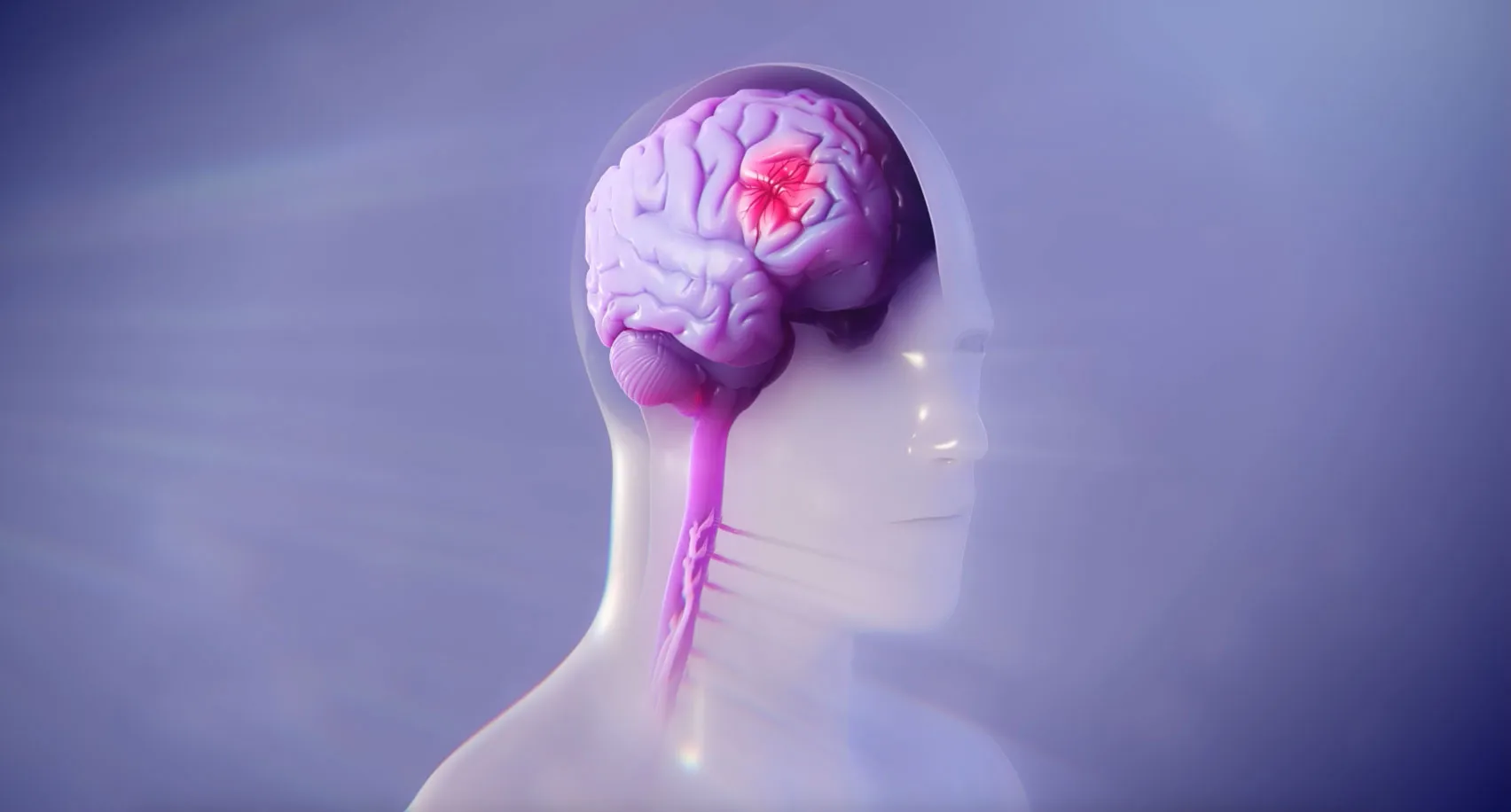
This study is evaluating an investigational therapy that combines an oral drug, 5-aminolevulinic acid (5-ALA), with low-intensity, non-invasive ultrasound delivered across the affected brain hemisphere. The purpose is to understand whether this approach can be safely administered and whether it shows early signs of biological or clinical activity for people with glioblastoma (GBM).
In earlier, small studies (including in recurrent GBM), this approach was associated with encouraging biological and radiographic signals. These observations were seen in limited patient groups and require confirmation in larger, controlled trials. They should not be interpreted as evidence of established clinical benefit.
Yes. Per the study protocol, all patients continue to receive standard-of-care treatments as determined by their care team. The investigational therapy is added in addition to these treatments; nothing is removed by participating in this study.
Some approaches for GBM may involve continuous or extended daily device use. In this study, the investigational therapy involves a short, scheduled, non-invasive ultrasound session combined with an oral drug. This description reflects treatment logistics only and does not represent a comparison of safety or effectiveness relative to other therapies.
Eligible patients will take 5-ALA and undergo scheduled non-invasive ultrasound sessions (for example, monthly, as specified in the protocol) in addition to their standard treatment. Your study team will provide detailed information about visit schedules, assessments, and what to expect during participation.
Early studies in patients with GBM have reported a favorable tolerability profile, including no dose-limiting toxicities in small cohorts. However, safety continues to be evaluated, and risks—including potential side effects—may occur. Your study doctor will discuss possible risks and benefits with you.
If you or someone you care for has been diagnosed with glioblastoma (GBM), you can learn more about the study and explore whether you may be eligible: